
Emergency Funds Explained: How Much Should You Save?

Your car breaks down, your laptop suddenly dies, or your employer announces budget cuts. None of these events comes with a convenient calendar invitation. Without savings set aside, even a manageable setback can turn into expensive debt. An emergency fund gives you breathing room when life throws a financial curveball. Think of it as your personal financial shock absorber. It won’t prevent every problem, but it can soften the impact. The right amount depends on your expenses, income stability, and responsibilities. Let’s break down the numbers and build a plan that makes financial confidence a little less elusive.
Why an Emergency Fund Matters
An emergency fund covers necessary expenses during unexpected financial disruptions. These may include medical bills, urgent home repairs, job loss, or essential travel for a family crisis. Without cash reserves, people often turn to credit cards or personal loans. That can transform one difficult event into months of interest payments. Cash savings also protect your other financial goals. Imagine selling investments during a market downturn just to pay rent. You could lock in losses at the worst possible time. A dedicated reserve helps prevent that situation and gives your long-term investments room to grow.
How Much Should You Actually Save?
A common benchmark is three to six months of essential living expenses. This is a practical starting point, not a universal rule. If your necessary monthly costs total $2,000, aim for $6,000 to $12,000. The calculation should include housing, groceries, utilities, transportation, insurance, and minimum debt payments. Your personal circumstances can push that target higher or lower. Someone with a stable salary and two household incomes may feel comfortable with three months of expenses. Freelancers, commission-based workers, and single-income households may benefit from six months or more. Consider dependents, health needs, and how quickly you could replace your income before choosing a target.
Factors That Change Your Savings Target
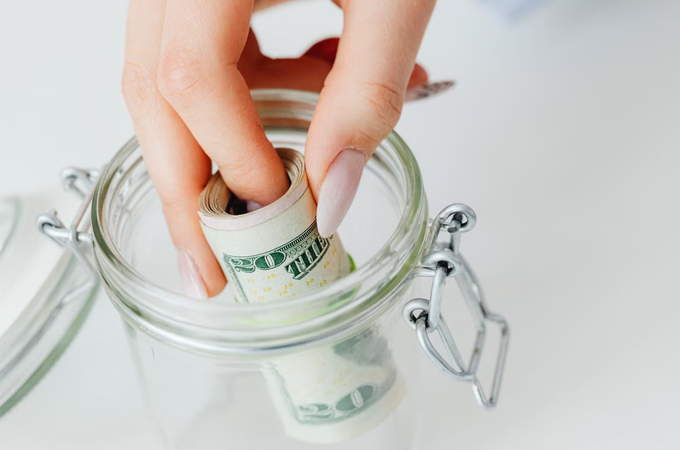
Income stability deserves serious attention. A government employee with predictable pay may face different risks than a contractor whose next project is uncertain. If your earnings fluctuate, a larger reserve can help cover slow months without forcing you to borrow. Think of it as giving your budget a little extra breathing room. Your fixed obligations matter, too. A household with children, mortgage payments, or ongoing medical costs may need a larger cushion. Also consider your local job market and how long finding comparable employment might take. The goal is to prepare for a realistic disruption, not to save an arbitrary amount just because a financial influencer said so.
Where Should You Keep Your Emergency Savings?
Accessibility and safety should come before high returns. A separate savings account can help keep emergency money away from everyday spending. Look for an account with low fees, convenient withdrawals, and competitive interest. If your bank offers deposit protection, check the applicable coverage limits and conditions. Avoid placing your entire reserve in volatile investments such as stocks or cryptocurrency. Their values can fall precisely when you need cash. A certificate of deposit may also create withdrawal restrictions or penalties, depending on its terms. Emergency savings should be boring in the best possible way: available, stable, and ready when trouble arrives.
How to Build Your Fund Without Feeling Overwhelmed

Start with a small milestone, such as saving one month of essential expenses. Then work toward three months before pushing for a larger reserve. Set an automatic transfer after each payday, even if the amount seems modest. Consistency beats waiting for a magical month when extra money suddenly appears. You can accelerate progress with bonuses, tax refunds, or income from selling unused items. Review your target whenever your rent, household size, or income changes. If you use the fund, replenish it once the immediate crisis passes. Financial security is built through repeatable habits, not one heroic deposit. An emergency fund is protection against debt, forced investment sales, and unnecessary financial stress. Start with a realistic target, build steadily, and adjust as life changes. Your future self will appreciate having a safety net instead of another bill to worry about.…